
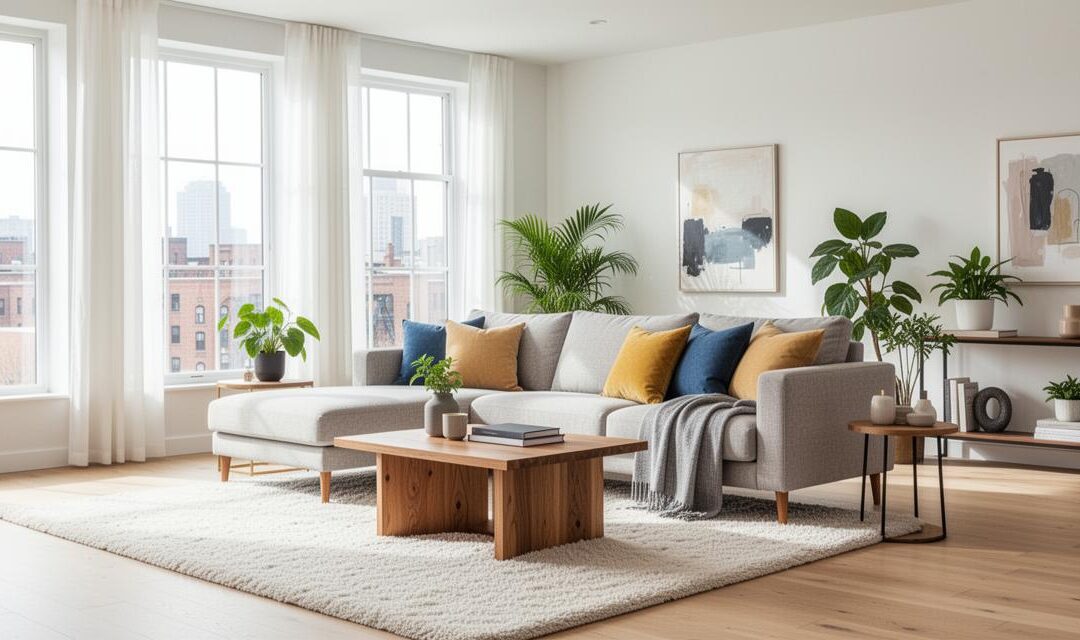
When it comes to crafting a living space that feels both considered and genuinely liveable, few approaches capture the imagination quite like the Florence Rousseau aesthetic. Rooted in a deep understanding of contemporary design, this sensibility blends elegance with everyday practicality, inviting homeowners to think beyond the sofa and consider the full story of their interior. From the salon to the kitchen, and even the bathroom, the guiding principle is one of cohesion, where every piece of furniture, decor and carefully chosen object plays its part in a unified whole.
Key takeaways
- The Florence Rousseau aesthetic prioritizes a seamless blend of elegance and practicality to create cohesive, liveable interior spaces.
- Modular sofas serve as the foundation of living room design, offering the flexibility to adapt to specific room layouts and changing household needs.
- Velvet upholstery in rich jewel tones or soft, dusty hues adds luxury and transformative visual depth to furniture pieces.
- Selecting dining and coffee tables requires balancing robust craftsmanship with clean, confident design lines that complement the overall room composition.
- Artistic ceramics and decorative objects should be displayed with restraint to highlight their quality and individual character without cluttering surfaces.
- A unified home aesthetic is achieved by extending consistent design principles, materials, and color palettes from living areas into the kitchen and bathroom.
- Achieving a professional-level interior design relies on viewing every piece of furniture and decor as a contributing element to a singular, overarching home narrative.
Elevating Your Living Room with Signature Furniture and Velvet Touches
The living room remains the heart of any home, and it is here that the interplay between style and comfort is most keenly felt. Getting this balance right means approaching each decision (from the choice of sofa to the texture of a cushion) with both an aesthetic eye and a practical mind. Indeed, a truly well-designed salon is one where the visual and the functional are inseparable, where sitting down at the end of a long day feels as pleasurable as admiring the room from the doorway. Within this philosophy, the influence of figures such as Jean Jacques Rousseau on ideas of harmony and natural order finds an unexpected but fitting echo in the world of interior design.
Selecting the Perfect Modular Sofa for Style and Practicability
At the core of any living room scheme lies the sofa, and in the contemporary design world, the modular format has become the preferred solution for those who refuse to compromise between aesthetics and practicality. A modular sofa offers extraordinary flexibility, adapting to the shape of a room, to the evolving needs of a household, and to the shifting demands of daily use. Whether you are configuring an L-shaped arrangement around a corner or creating a more open, flowing layout in a larger space, this type of sofas rewards careful thought. The relationship between scale, proportion and comfort is everything, a sofa that overwhelms a room is as problematic as one that leaves it feeling sparse and uninviting. When selecting your piece, consider the fabric as carefully as the form, since the material will define the room’s overall mood for years to come.
Infusing Elegance with Plush Velvet Fabrics and Bespoke Chairs
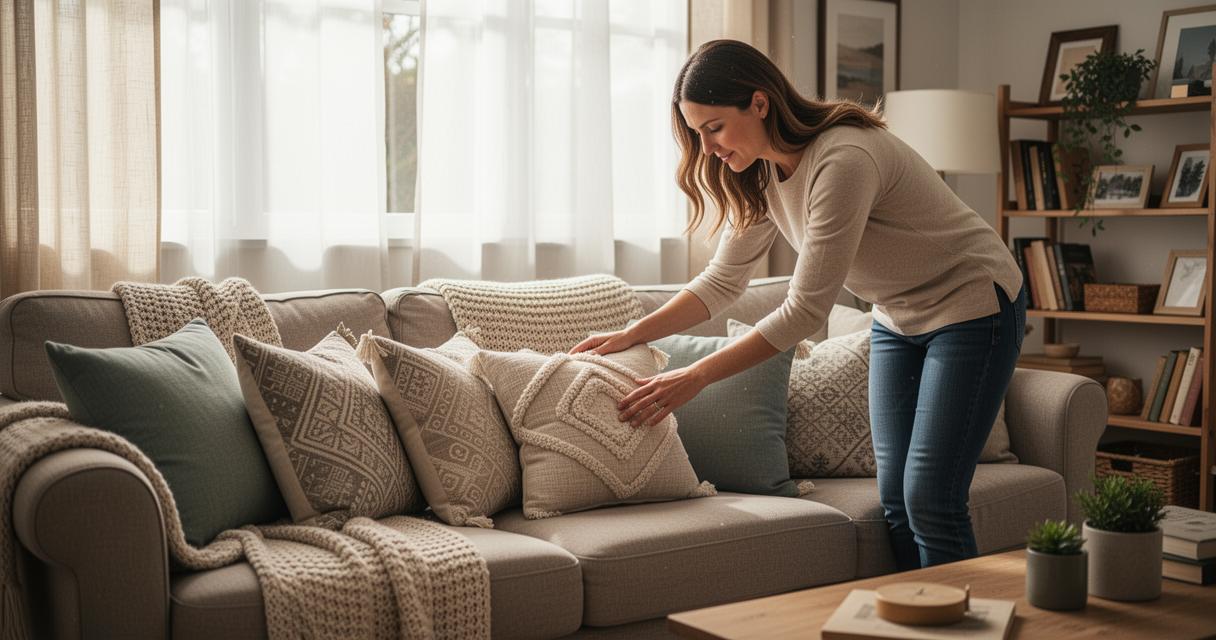
Few materials carry quite the same transformative power as velvet. Rich, tactile and undeniably luxurious, velvet upholstery on a sofa or a set of chairs can shift an interior from the merely pleasant to the genuinely memorable. The choice of colour is paramount: deep jewel tones bring warmth and drama, whilst softer, dusty hues lend a more restrained, Parisian sophistication. Alongside the sofa, bespoke chairs (whether a classic armchair or a more sculptural piece inspired by mid-century design) add personality and variety to a seating arrangement. Think of these chairs not simply as additional seating, but as art objects in their own right, each one contributing its own line and silhouette to the overall composition of the room.
Harmonising contemporary tables and ceramics across living spaces
Once the principal seating is established, attention turns to the supporting cast of a well-dressed interior: the tables, the objects and the decorative elements that give a room its final layer of meaning. In a contemporary interior, these pieces must work in concert, sharing a visual language whilst retaining enough individuality to hold the eye. The goal is never monotony, but rather a coherent deco narrative that unfolds as one moves through the space.
Choosing Statement Dining and Coffee Tables for Every Corner
The dining table and the coffee table perform very different roles, yet both deserve equal consideration in terms of design. A dining table is a gathering place, it must be generous in size, robust in construction and beautiful enough to anchor the room around it. A coffee table, by contrast, works at a more intimate scale, sitting low and lending itself to casual arrangement. In both cases, the relationship between the table and the surrounding furniture (the chairs, the sofa, the sideboards) should feel natural rather than forced. Seek out pieces whose design line is clean and confident, that hold their own without demanding constant attention, and that reward closer inspection with subtle details of craftsmanship and material.
Integrating Artistic Ceramics and Objects to Refine Your Decor
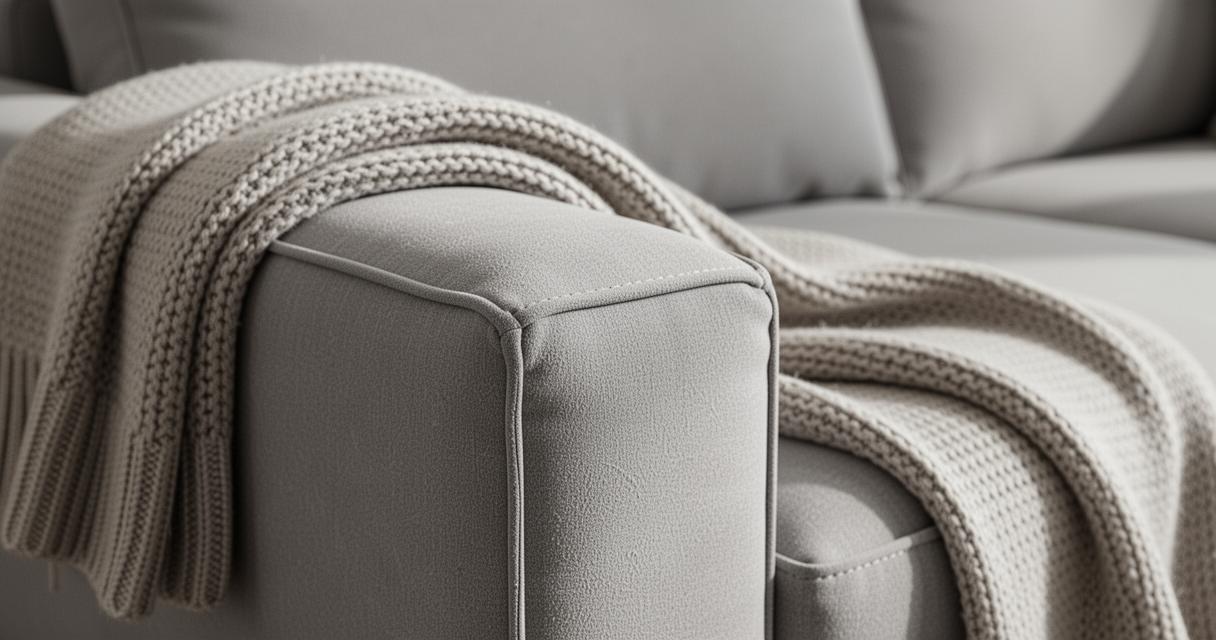
It is often the smallest elements of a room that make the deepest impression. A well-chosen piece of ceramics, placed on a shelf or a side table, can communicate an entire aesthetic philosophy in a single gesture. The contemporary interior embraces objects that straddle the line between the functional and the purely decorative, pieces that carry a sense of history, craft and intention. When building a collection of such objects, resist the temptation to fill every surface; instead, allow each piece room to breathe, so that its quality and character are immediately apparent to anyone who enters the space.
Designing Cohesive Interiors from the Kitchen to the Bathroom
A truly considered interior is not confined to the principal reception rooms. The kitchen, the bathroom and every other space within the home deserve the same level of attention, the same commitment to both beauty and function that defines the best in contemporary design.
Striking the Right Balance Between Aesthetics and Daily Use
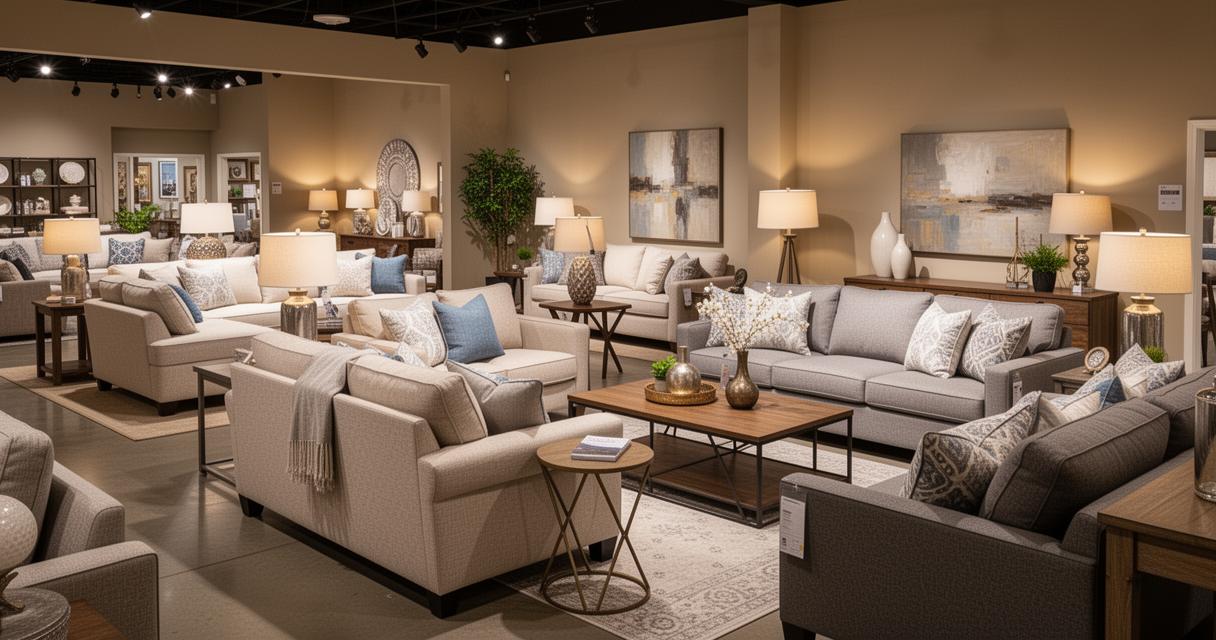
In spaces such as kitchens and bathrooms, the dialogue between aesthetics and daily use is particularly acute. These are rooms that must perform reliably under the pressures of everyday life, yet they offer a remarkable opportunity for design expression. The choice of materials, fittings and colour palettes in these spaces should echo the decisions made in the living and dining areas, creating a sense of continuity that ties the entire home together. A kitchen finished in tones that complement the salon’s upholstery, or a bathroom whose ceramic details mirror those found in the decorative objects of the living room, will feel purposeful rather than accidental, a hallmark of truly accomplished interior design.
Expert Advice on Creating a Unified Aesthetic Throughout the Home
Achieving this kind of whole-home coherence is easier said than done, and it is here that professional conseils (expert advice from those who understand both the mobilier landscape and the subtleties of spatial composition) proves invaluable. Whether you are working with an architect, an interior designer or simply drawing on the expertise of a knowledgeable store, the key is to approach each room not in isolation but as part of a larger conversation. Consider the full range of products available to you, from sofas and chairs to tables, ceramics and textiles, and ask how each piece might contribute to the overarching story of your home. The result, when this process is undertaken with patience and genuine commitment, is an interior that feels entirely its own, elegant, liveable, and unmistakably considered in every detail.